
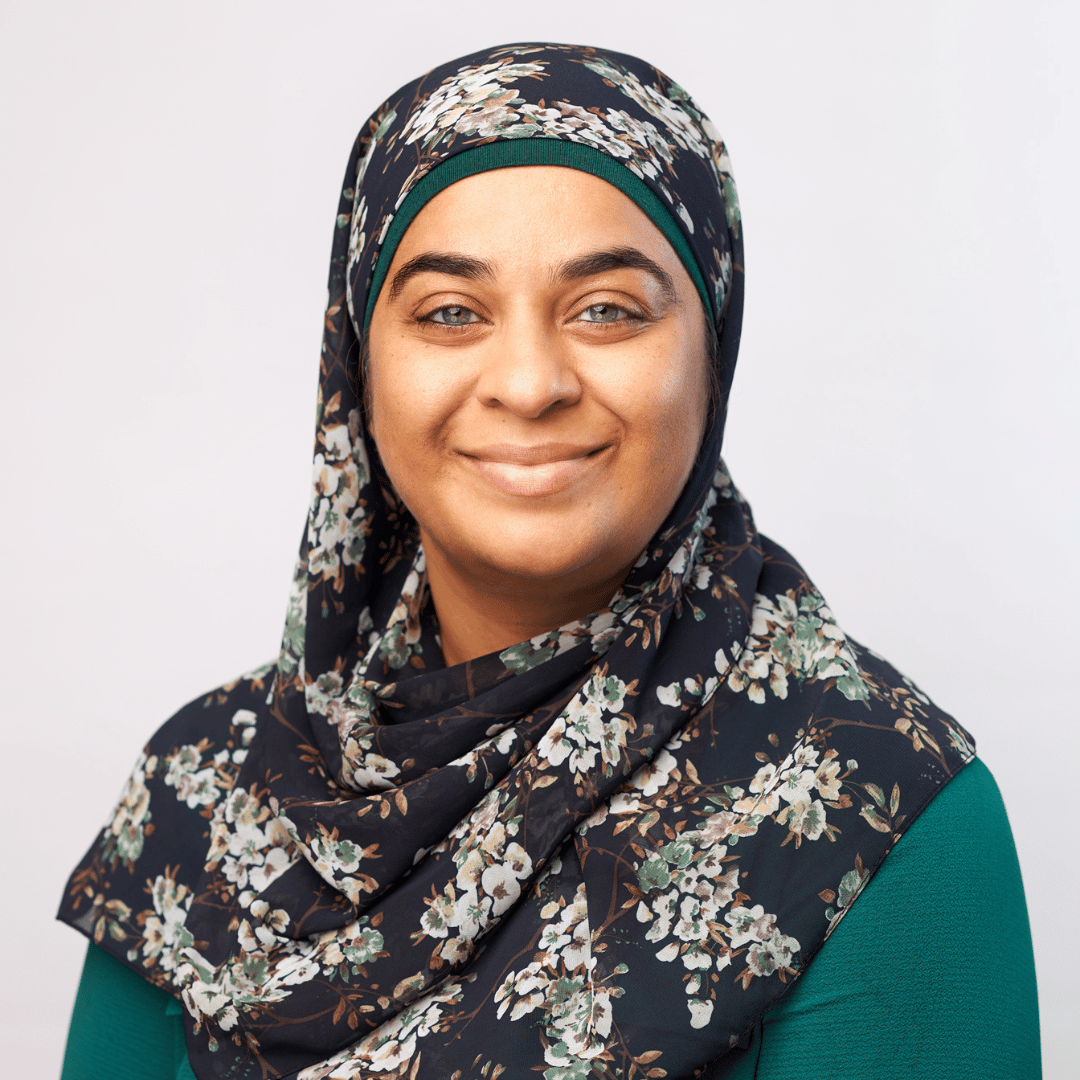
By Eman Gibson, MBA, LCSW, LCADC, Chief Clinical Officer
National Recovery Month is a time to celebrate the millions of people building lives in recovery from substance use disorders and mental health conditions, and recognize the families, peers, professionals and communities who support them. It is also an opportunity to consider what makes recovery possible in the first place.
One of the most important lessons I have learned throughout my behavioral health career is that there is no single doorway into recovery. People begin their recovery journeys at different points, with different needs and different levels of readiness. Our responsibility is to make sure there are meaningful ways to connect with support, wherever that starting point may be. The more opportunities people have to connect with care, the more opportunities we create for recovery to begin and continue.
The need for multiple pathways to recovery becomes clear when we look at the different circumstances of people seeking treatment across New Jersey. In 2024, more than 81,000 substance use disorder treatment admissions were reported statewide. Among those admissions, 18% involved individuals experiencing homelessness. Of admissions with available income data, 92% involved people living at or below 133% of the federal poverty level, while 26% involved people who were employed full- or part-time. While this data paints a helpful picture of the diversity of needs across the population, it does not reflect the many individuals who may not yet be prepared to enroll in treatment.
Behind those numbers are people whose lives, responsibilities and needs look very different. Those differences can shape how someone accesses care, the support they need and the barriers they may face along the way.
After more than 58 years of serving individuals and families affected by substance use disorder, Integrity House has worked to create multiple points of access to recovery. In recent years, we have expanded how we engage with individuals outside of traditional treatment settings while continuing to offer different levels of treatment and support as people’s needs change.
Creating More Ways to Connect With Care
The first step toward recovery does not always happen inside a treatment facility. Creating more ways to access support allows us to reach people earlier and build connections to care outside of traditional treatment settings. That requires bringing services into the communities where people live and making support available even before someone is ready to enter treatment.
The Integrity Wellness Center provides a low-barrier point of access, offering sterile supplies; opioid overdose and infectious disease education; drug-checking equipment; naloxone; wound care supplies; HIV, STI and hepatitis testing; peer support; and care coordination at no cost.
We have also expanded access through a health kiosk outside the Emergency Department at University Hospital in Newark. Available 24/7/365, the kiosk provides free naloxone, HIV self-test kits and other health and prevention supplies, giving people another way to access resources on their own terms.
Our Mobile Community Care clinic brings substance use and mental health assessments, medications for substance use disorder, naloxone, care coordination, and peer support directly into targeted Newark neighborhoods.
The Integrity Street Outreach program, launched in collaboration with the City of Newark Office of Homeless Services and the Newark Department of Health and Community Wellness, reflects our newest effort to expand connections and resources beyond our treatment facilities. Teams of street outreach specialists and clinicians canvass the community seven days a week in the evenings to rapidly connect unsheltered community members to housing, substance use disorder treatment, mental health services, and other resources.
Each of these access points is designed to reduce the distance between people and the support available to them. Someone does not have to be ready for treatment to begin protecting their health or connecting with care. By making support easier to reach, we can build relationships earlier and help create a path to treatment when someone is ready.
Connecting People to the Care They Need
When someone is ready to enter treatment, access also means being able to find care that reflects their specific needs. For some, residential treatment provides a necessary level of structure and support, while others can benefit from outpatient care. Substance use and mental health needs, and socioeconomic challenges can also overlap, making coordination across services especially important.
Residential and outpatient treatment for substance use disorder is a cornerstone of our system of care. All of our treatment programs integrate a range of services, including medications for substance use disorder, mental health services, employment training, nursing services, and other supports. The Integrity Certified Community Behavioral Health Clinic (CCBHC) creates a more connected point of access to behavioral health care. Through the CCBHC, individuals can receive mental health services, substance use disorder treatment, primary care services, crisis services, peer and family support, and care coordination. Rather than requiring people to navigate separate systems on their own, the model helps connect them with different forms of support through a single facility.
A person’s needs can change throughout recovery. The support that helps someone initially engage in care may be different from what they need to stay healthy and continue moving forward months or years later. A strong continuum of care makes it possible to respond to those changes without losing the connections already in place.
Keeping the Doors Open
Recovery is strengthened when people know support remains available, whether they are taking a first step, returning to care, or looking for additional resources. Building those connections means making it possible to reengage with care without having to start over or navigate the process alone.
During National Recovery Month, we celebrate every person building a life in recovery while recognizing our responsibility to make care easier to reach and sustain.
At Integrity House, that means keeping more doors open and helping people find the care they need, when they need it. Because there is no single path to recovery, there should never be only one way to find help.