
A statement from Robin Shorter, LCADC, CPRS, Senior Director of Community Engagement, Integrity House on National Prevention Week, May 10-16, 2026
Clinical work teaches you a great deal about treatment. Prevention and outreach work teach you why so many people never reach it in the first place.
Earlier in my career, much of my work happened inside treatment settings. As a clinician, you primarily work with people who have been able to access care. Outreach work exposes you to the much larger group of people who do not, not because they do not want help, but because the system doesn’t reflect the realities people are navigating every day. National Prevention Week is a chance to look honestly at who we are reaching, who we are missing, and what needs to change so more people have a real path to care.
That gap between who needs care and who receives it is something I see reflected in the data as much as in the work we do every day. According to SAMHSA’s most recent national survey, 80% of people who needed treatment for a substance use disorder in 2024 did not receive it. That number does not reflect a shortage of people who want to get better. It reflects a shortage of low-barrier pathways to support. The barriers driving that gap include stigma, cost, perceived lack of need, and limited availability of specialized services. These are not clinical failures. They are structural ones, and they demand a structural response.
Effective prevention does not begin at a clinic intake desk. It begins earlier, in a neighborhood, in a conversation, in a moment of trust between a person in need and someone willing to show up without conditions or judgment. It is built through relationships, sustained presence, and a willingness to go where people are rather than waiting for them to find their way to you.
What makes prevention work is not any single program or intervention. It is a network of care that can meet someone before a crisis develops, during a moment of acute need, and in all the spaces in between, across a range of circumstances and levels of readiness.
That infrastructure is what Integrity House has built, and it is what our community-based programs reflect in practice. Our Mobile Community Care program goes directly into Newark neighborhoods three days a week, bringing health screenings, medications for substance use disorder, risk reduction education, peer support, and case management to people who may not be ready or able to walk into a facility. Our Integrity Wellness Center meets people at a different point in that continuum, providing walk-in access to risk reduction supplies, health education and services, mental health support, peer support, and direct linkage to treatment, positioned directly across from our Certified Behavioral Health Clinic so that the distance between initial contact and comprehensive care is as short as possible. Our Community Health Hub, a health services kiosk developed in partnership with University Hospital and supported by the New Jersey Department of Health, reaches people at yet another point of entry, bringing prevention resources and connections directly outside the emergency department entrance where people are already showing up in moments of need. Together these programs do not operate as separate services. They function as a connected system designed to reach people where they are, no matter what they are facing or how they arrive.
No single organization can build an effective prevention system alone. The system depends on strong partnerships across healthcare, public health, social services organizations, and treatment providers. Cross-sector collaboration is what makes community-based prevention function at scale, and it deserves the same sustained investment as the clinical services it connects people to.
People are already showing us what works when care meets them where they are. The challenge now is whether we are willing to build systems around what we already know works.
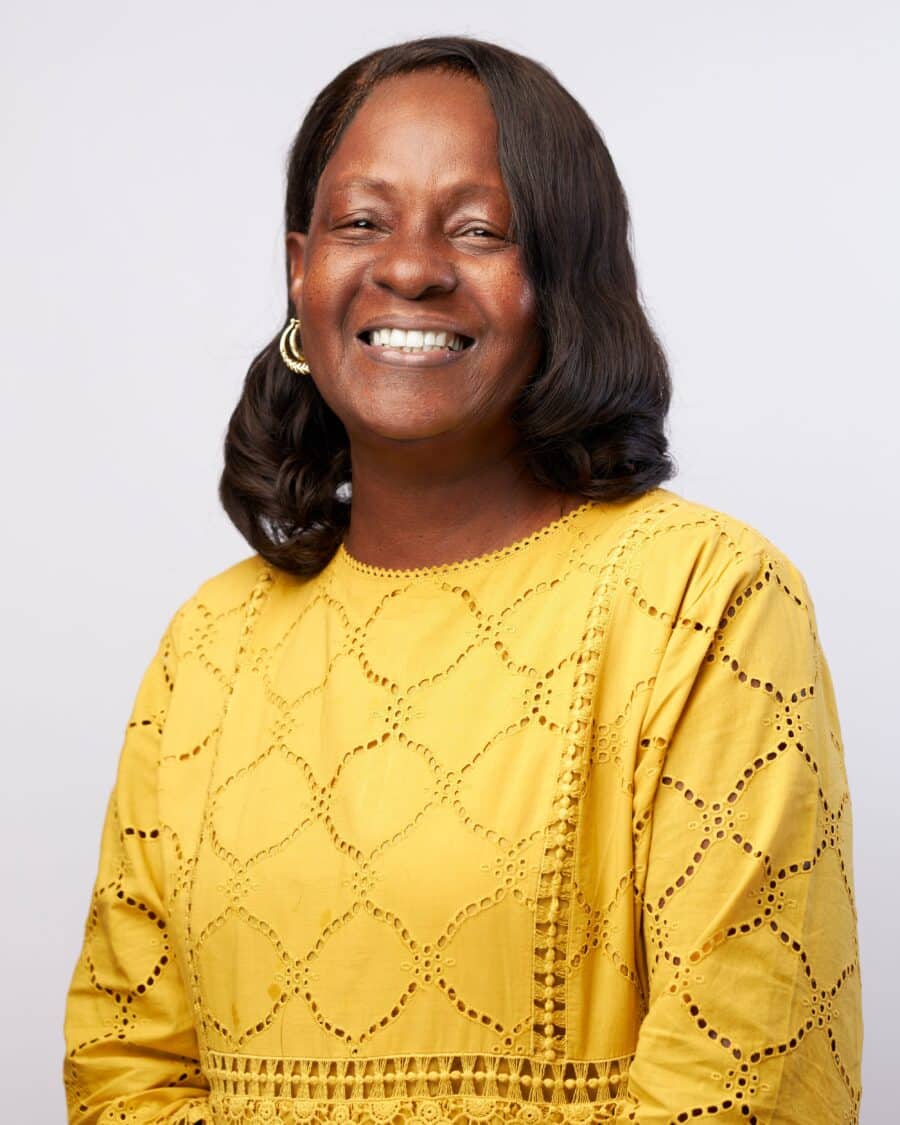
Robin Shorter, LCADC, CPRS, is Senior Director of Community Engagement at Integrity House, where she oversees all prevention programs and community-based outreach initiatives. She holds a Master’s Degree in Addictions Counseling and has been a Licensed Clinical Alcohol and Drug Counselor since 2013. With more than two decades of experience in the behavioral health field, Robin brings both clinical expertise and deep personal commitment to expanding access to care for the communities Integrity House serves.
Wonderful work to the both of you, warm regards.